Introduction
In the realm of emergency situation feedback, knowing how to check for responsiveness is a vital skill that can imply the difference in between life and fatality. Whether you're an ordinary spectator or an experienced health care specialist, understanding the nuances of examining a casualty's problem is necessary. This write-up intends to provide detailed understandings into different aspects of examining responsiveness in emergency situations. By delving right into topics such as basic vs innovative life assistance, healthcare facility codes and methods, and public defibrillator usage, we will equip you with the understanding required to act properly when it matters most.
How to Efficiently Check Responsiveness in Emergencies
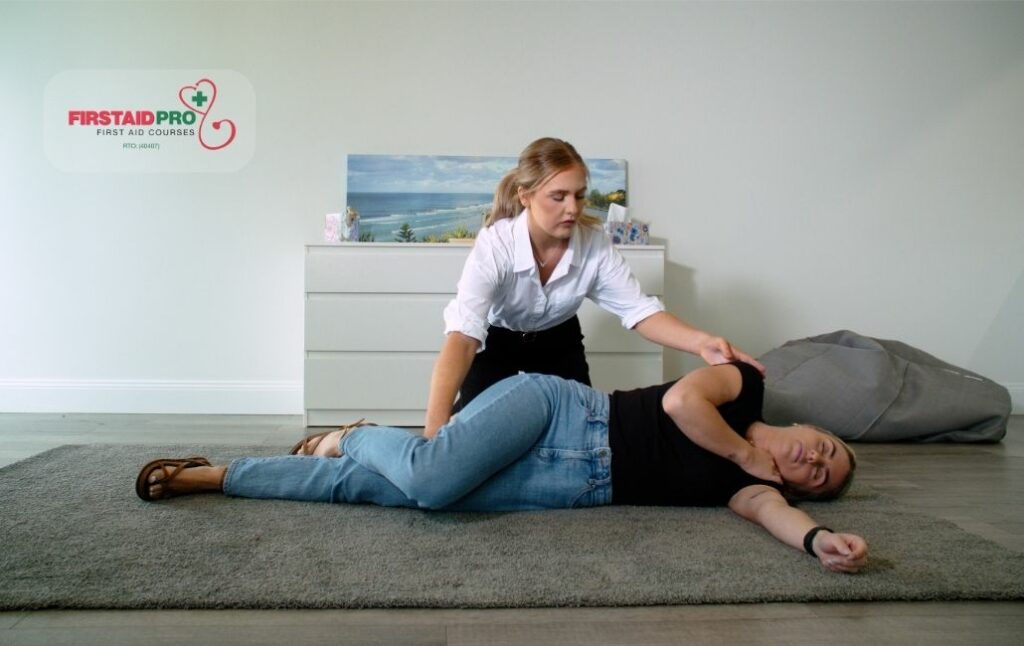
When faced with an unconscious or less competent individual, your very first job is to identify their degree of responsiveness. Yet just how do you go about this? The procedure begins with a thorough assessment of the casualty's state:
Approach Safely: Guarantee the area is secure for both you and the victim. Assess Responsiveness: Carefully shake the person's shoulder and noisally ask if they're okay. Check Breathing: If there's no response, appearance and listen for regular breathing.This fundamental approach sets the stage for more First Aid training program Tweed Heads advanced procedures if necessary.
The Value of Checking Responsiveness
Checking responsiveness works as a gateway to additional clinical treatment. Recognizing whether an individual is receptive aids in establishing whether basic life support (BLS) or more advanced life assistance (ALS) actions are required.
Basic vs Advanced Life Support
- Basic Life Support (BLS) covers essential methods such as mouth-to-mouth resuscitation and making use of an Automated External Defibrillator (AED). Advanced Life Support (ALS) involves innovative clinical treatments normally done by healthcare professionals.
Understanding these distinctions emphasizes why examining responsiveness is critical; it dictates which procedure must be activated.
Identifying No Breathing
One essential facet of emergency feedback is recognizing whether somebody is taking a breath or otherwise. Identifying "no breathing" can be challenging yet crucial:
Look: Observe breast movements. Listen: Place your ear near their mouth to listen to breath sounds. Feel: Look for air movement against your cheek.If a person isn't taking a breath, initiate CPR quickly while asking for emergency help.
Maintaining Calmness Throughout Emergencies
When faced with emergency situations, it's very easy to panic, however keeping composure can considerably boost results:
- Take deep breaths. Focus on what requires to be done step-by-step. Remind yourself that you have training or knowledge that can help.
Composure enables you to believe clearly and act emphatically when checking responsiveness and providing care.
Public Defibrillator Usage
Public areas commonly have Automated Outside Defibrillators (AEDs) offered, making it essential to recognize how they operate:
Locate nearby AEDs: Familiarize yourself with neighborhood centers where AEDs are placed. Follow directions on device: The majority of AED units supply audio motivates assisting customers with the process. Administer shocks if necessary: Use AED after evaluating no breathing and calling emergency services.Knowing how to use these devices can significantly increase survival prices during cardiac emergencies.
Hospital Codes and Protocols
Every medical facility has developed methods relating to emergency actions:
- Codes like "Code Blue" typically indicate a person requiring instant resuscitation efforts. Familiarizing yourself with these codes can boost communication when turning over a casualty to medical personnel at a health center setting.
Taking Turns on Compressions
Performing CPR properly calls for endurance and emphasis; therefore taking turns on compressions can be beneficial:
Change rescuers every 2 mins if possible. Ensure that compressions correspond without interruption during handoffs. Maintain correct depth-- ideally concerning 2 inches in grownups-- and price-- at the very least 100 compressions per minute.These ideas ensure that top quality compressions are kept throughout until professional assistance arrives.
Lower Compression Depth vs Higher Compression Depth
The compression deepness throughout mouth-to-mouth resuscitation has substantial effects:
- A lower compression deepness could not distribute blood effectively enough, whereas unfathomable could cause injury.
The suitable deepness usually falls around 5-- 6 cm (regarding 2-- 2.5 inches) for grownups yet should always be examined based upon situational needs.
Slow Compression Rate
While preserving appropriate rate is crucial during CPR compressions, slow-moving compression rates might minimize efficiency:
- Aim for steady balanced compressions without rushing with them.
A quick however controlled technique ensures maximum blood circulation till emergency -responders take control of care.

FAQs
1. What should I do initially when I locate a person unresponsive?
First, guarantee security for both you and the victim before inspecting their responsiveness by carefully drinking them and asking if they are okay.
2. Exactly how do I understand if a person requires CPR?
If the individual does not respond vocally or physically after trembling them and shows indicators of no breathing or uncommon breathing patterns, launch mouth-to-mouth resuscitation immediately.
3. Can anybody use a public defibrillator?
Yes! Public defibrillators are created for use by laymans; numerous come with clear voice guidelines leading users with each step of operation.
4. What are health center codes?
Hospital codes refer to specific phrases used within clinical centers showing specific emergency situations requiring prompt response from personnel-- like "Code Blue" signaling heart attack situations.
5. Is BLS certification necessary?
While it's not compulsory for every person, getting BLS certification prepares individuals for emergency circumstances entailing adult targets requiring basic life support methods effectively.
6. For how long should I do CPR before stopping?
Continue doing mouth-to-mouth resuscitation until professional help gets here or until you see indicators of healing such as regular breathing or movement from the casualty.
Conclusion
Understanding just how to effectively examine responsiveness in emergency situations encompasses several crucial elements-- from recognizing no breathing indications to utilizing public defibrillators successfully. The capacity to preserve calmness under pressure while taking crucial activities like performing top notch mouth-to-mouth resuscitation can not be overemphasized; Click to find out more they add considerably toward boosting survival prices in important situations.
Equipping oneself with knowledge about medical facility codes and procedures even more enhances interaction upon transferring care to professional responders-- an essential step towards making sure ideal outcomes in situation situations entailing unconscious individuals needing immediate assistance! Consequently, whether you're an everyday resident or component of healthcare training programs such as BLS qualification programs-- understanding these abilities will certainly equip you with confidence when it genuinely counts!